Fade Pigmentation 10 Proven Spot Treatments
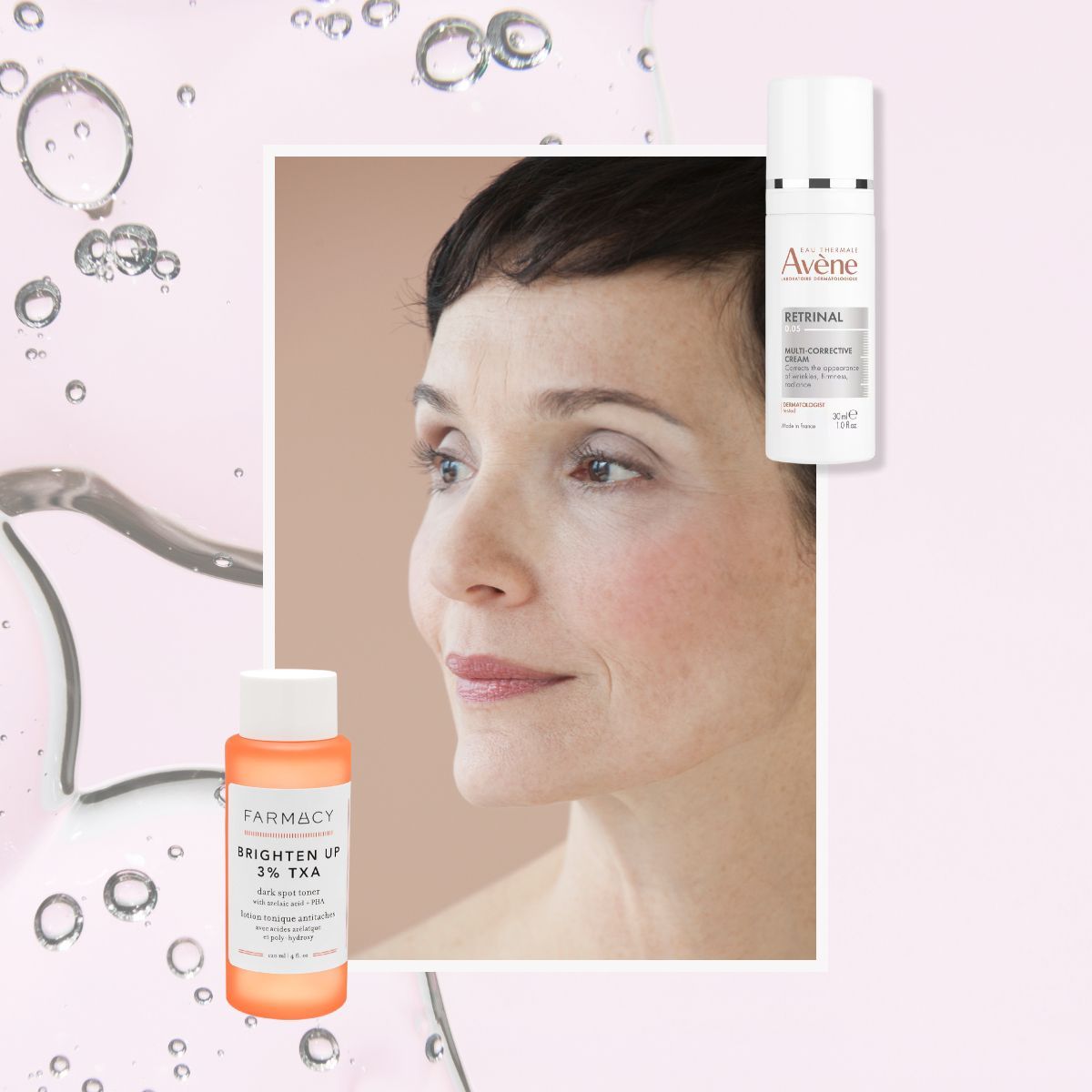
We’ve all been there: staring into the mirror and noticing those familiar age spots. While they might feel like a minor cosmetic inconvenience, understanding how to tackle hyperpigmentation is key to achieving truly luminous skin. The quest for the perfect skincare routine often leads us down rabbit holes of ingredients, but the secret to fading these marks lies in using smart combinations of powerful exfoliants and brighteners.
Age spots are pigmented lesions that develop over time due to sun exposure. They fall under the umbrella of hyperpigmentation, sharing characteristics with post-inflammatory hyperpigmentation (PIH) and melasma. While they often require a more persistent fight to fade than other forms of discoloration—taking longer to lighten and demanding more aggressive intervention—they are certainly manageable with the right strategy.
The first step in managing these marks is understanding your skin’s history and leveraging ingredients that target different pathways. For instance, while some treatments focus on cell turnover, others focus purely on brightening, allowing you to multitask effectively toward a more even tone.
Cell turnover boosters, like retinoids”>retinoids, are powerful allies in resurfacing the skin. Products featuring retinaldehyde or adapalene help lighten dark spots and smooth wrinkles while simultaneously improving skin texture. When paired with hydrators such as niacinamide”>niacinamide and hyaluronic acid, these treatments work synergistically to enhance barrier function and bring out a healthy glow.
Exfoliation plays an equally important role. Ingredients like glycolic acid are superb at evening out skin tone and stimulating collagen production, while milder acids such as mandelic acid offer gentler yet effective resurfacing. Combining these acids with brightening agents is a smart move for addressing dullness.
To tackle the pigmentation itself, ingredients like kojic acid and tranexamic acid are renowned for their ability to fight against dark spots. These compounds work to inhibit melanin formation, providing targeted support for fading age spots and melasma.
For a comprehensive approach, look for products that offer multi-pathway benefits. Serums combining salicylic acid with vitamin C are particularly effective. Vitamin C helps block pigment formation triggered by sun exposure and environmental factors, while salicylic acid works to improve skin discoloration.
Some innovative formulas combine these powerhouses, featuring ingredients like niacinamide along with kojic acid and alpha-arbutin in a single treatment. Furthermore, some sophisticated gels offer potent combinations, including tranexamic acid, kojic acid, and alpha-arbutin to work quickly on post-inflammatory hyperpigmentation and age spots.
Ultimately, managing age spots requires patience and consistency, coupled with professional guidance. While topical treatments offer wonderful opportunities for improvement, consulting a board-certified dermatologist is essential. They can help distinguish between benign spots and those that require more aggressive intervention, such as lasers or chemical peels, offering solutions that can fade pigmentation quickly.
Buy on Amazon
Credit