Eyepatch Gate Action
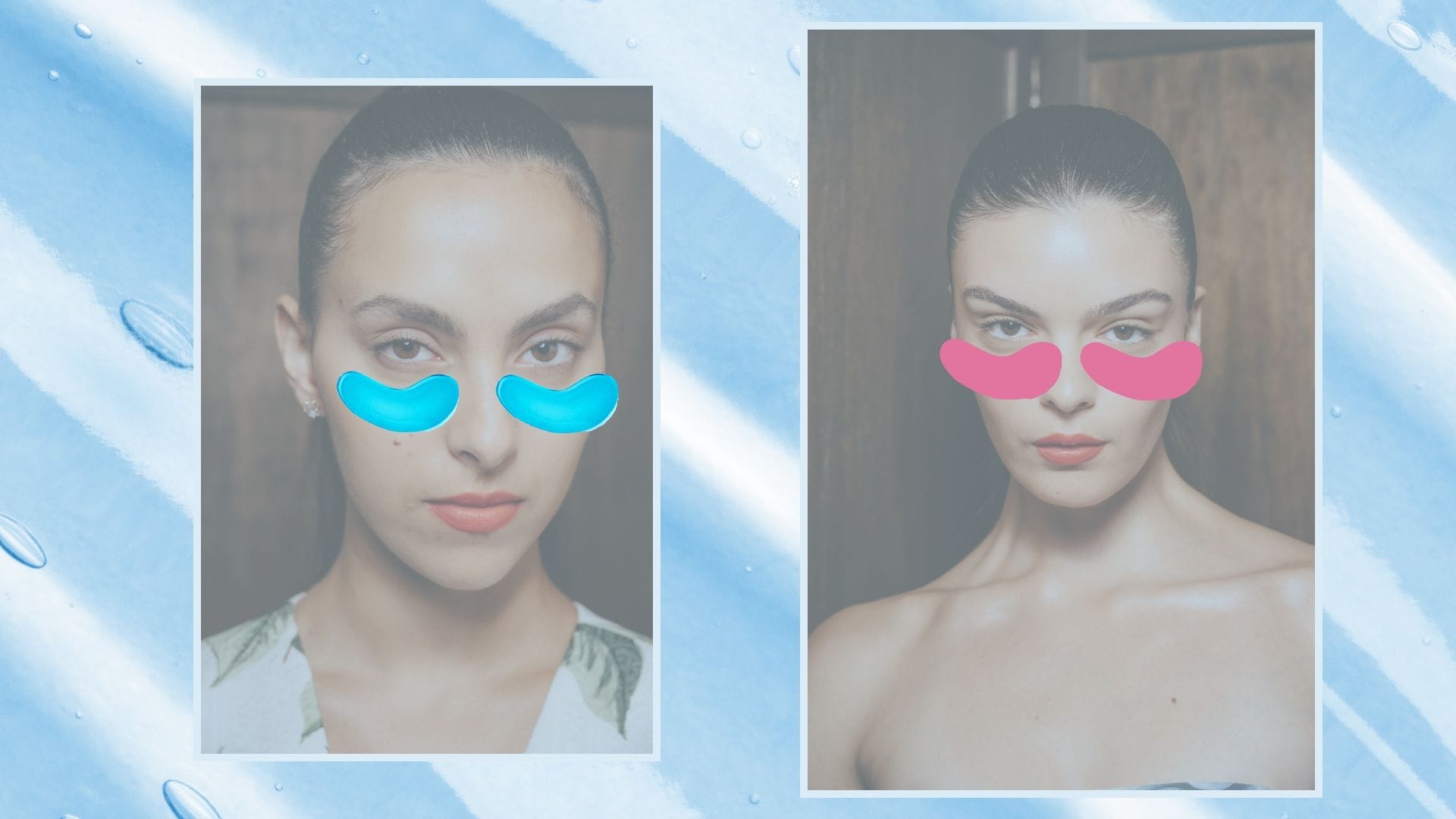
The Beauty Wars: Who Really Owns the Sliced Hydrogel?
In the highly competitive world of beauty, where exclusivity is currency, a fascinating supply chain mystery emerged over the last week. Major brands were vying for attention by launching new, sliced hydrogel eye patches, yet beneath the surface of the glossy marketing, a shared secret was being unveiled. The truth is, no one copied a single formula; what they all shared was a single, ingenious kitchen gadget—a specialized slicer—housed in identical packaging.
The spectacle began when Fenty Skin teased the Dew N Plump Fresh-Sliced Hydrogel Eye Patches, followed almost immediately by Glow Recipe’s Exopeptide Caffeine Brightening Fresh Slices and Huda Beauty’s Undereye Jelly Patches. All these products appeared in the same cylinder, sparking the classic beauty industry question: how did everyone end up in the same dress?
This simultaneous launch created an immediate sensation, especially when the “Spider-Man meme” went viral on Instagram, suggesting something was amiss behind the scenes. The real story wasn’t about formula duplication; it was about packaging exclusivity. It turns out that the innovation wasn’t in the jelly itself, but in the delivery system.
The origin of this synchronized rollout points directly to South Korea. The foundational technology—the slicer and the packaging—was already in circulation. Wonder Bath, recognized as the original innovator, had been selling their Slice Serum for the past, with a U.S. launch date just around the corner.
The mystery deepened when closer examination of the hardware revealed the source. The packaging manufacturer used by these global brands is not a custom mold; it is a widely available stock component. Public records point to a specific hardware item, the Samhwa 100ml PP Fresh-Slice Hydrogel Eye Patch Dispenser, manufactured in South Korea. This dispenser is a versatile tool, designed to shear a single slice from a larger batch.
This single package was shipped to a constellation of beauty giants, including Maybelline, YSL, L’Oréal, and Innisfree, demonstrating that this mechanism was already flooding the market long before these major Western brands made their debut.
The crucial distinction lies in what happens inside the machine. While the vessel and slicer are identical, the formulas are entirely bespoke. Whoever fills the well—whether it’s an in-house lab, a Contract Manufacturing Organization, or a specialized sheet mask producer—pours their unique mixture into the same apparatus. Glow Recipe loaded exopeptide and caffeine; Fenty blended niacinamide and tropical fruit extracts; Wonder Bath split the SKU into pore, spot, and lift treatments. The polymer backbone remains the same, but the brand story lives in the personalized pour.
This situation highlights a fundamental truth in the beauty landscape: novelty is often achieved by sharing foundational tools rather than creating entirely unique components. The packaging supplier, Samhwa, acts as the essential enabler, selling the empty genius that allows countless brands to operate within the same physical framework.
The concept of exclusivity was fundamentally undermined by the timing. While brands marketed their launches as the “first of its kind,” the underlying technology was already circulating. Wonder Bath’s decision to let the technology flourish rather than patent it allowed a wider ecosystem to thrive.
Ultimately, the Eyepatch-Gate reveals that the consumer isn’t crazy for feeling punked, but the product still works. The hydrogel can still depuff, and the results remain effective. The real issue is the marketing—praising a shared mechanism as a unique invention. For those seeking the authentic experience, the choice is clear: wait for the original source or be aware that what you are holding is a globally shared, custom-dressed packager’s aspic, portioned on demand.
Buy on Amazon
Credit