Contrapposto brings luxury craft to modern perfumery
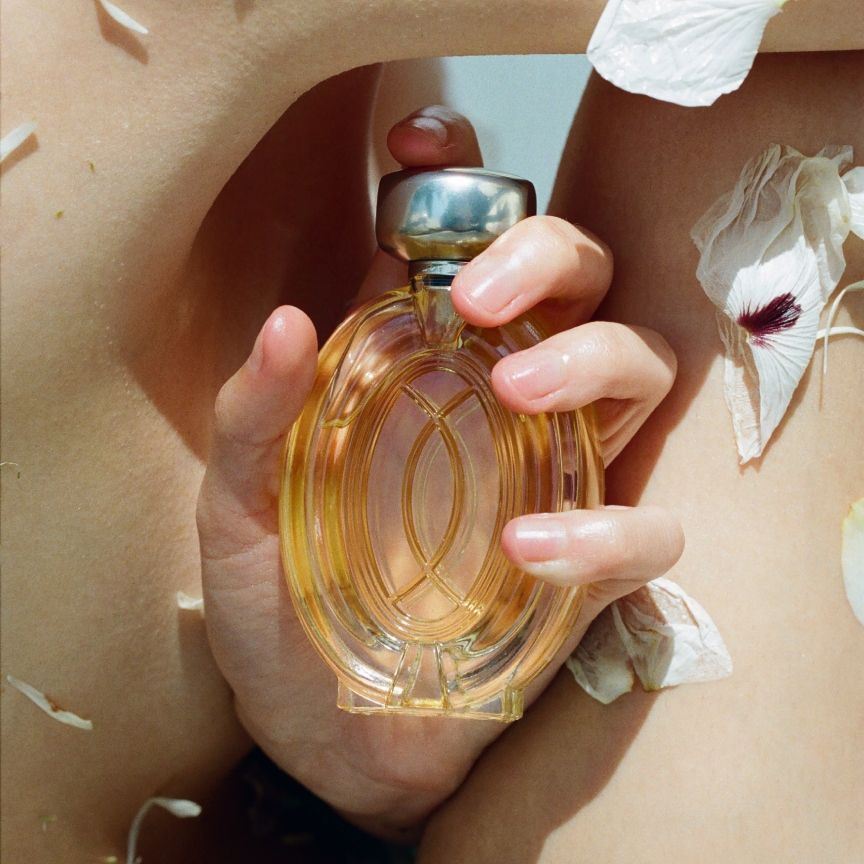
In the world of beauty, trends are always shifting. This month, the focus is on marshmallow gourmands, and next, it might be mineral skin scents. The perfume category, much like the rest of beauty, is a revolving door of fleeting trends, offering dozens of affordable options to keep the fragrance library fresh. Yet, true luxury, the story suggests, lies not in the quantity of bottles on your vanity, but in the quality of the craft behind them.
This realization is championed by those who believe that luxury must be rooted in craftsmanship, a compelling narrative, and uncompromising quality. This philosophy drives the vision of Contrapposto, a fragrance house founded by Nick Axelrod-Welk and his husband Casey.
Axelrod-Welk built his foundation in the beauty industry, starting as an aesthetics clinic in California and gaining expertise in prestige beauty markets. As he explored what truly defined luxury, he discovered that it resided in the meticulous attention to detail, not just the final product. He sought to create a world that stood for a specific aesthetic and an unwavering commitment to excellence.
This pursuit led him to the world of fine fragrance. Navigating the niche vocabulary of perfumery felt like learning a new language, but this journey of curiosity led him to collaborate with master perfumers, including Frank Voelkl and Shyamala Maisondieu. With zero budget constraints, they were free to create Contrapposto’s debut collection of extraits de parfum: Melting Flowers, Musc Pétille, and Lubanite.
The goal was not merely to create esoteric scents, but to produce fragrances that were both high art and undeniably exciting. Axelrod-Welk aimed to combine high art with commercial appeal, ensuring that the experience was not only exquisite but also addictive and inviting to a broader audience.
The commitment to quality extended beyond the scent itself and into the physical experience of ownership. The packaging at Contrapposto is a masterclass in transforming ephemera into luxury. Designer Brian Rottinger utilized artwork from the Met and the Library of Congress to create a 416-page book, allowing the perfume bottle to be nestled within a laser-cut compartment. This design transforms the act of discarding the box into something meaningful, offering a keepsake that merits space on a bookshelf rather than the recycling bin.
For Axelrod-Welk, this approach positions Contrapposto not as a source of fleeting trends, but as a benchmark for enduring luxury. By focusing on the hands that create the bottle, the designers who craft the packaging, and the experts who compose the fragrance, the brand makes a powerful case for a perfume experience worth keeping for years to come.
For more information on beauty and trend recommendations, visit Perfume.
Buy on Amazon
Credit