40 Days of Fragrance Did It Improve My Sleep
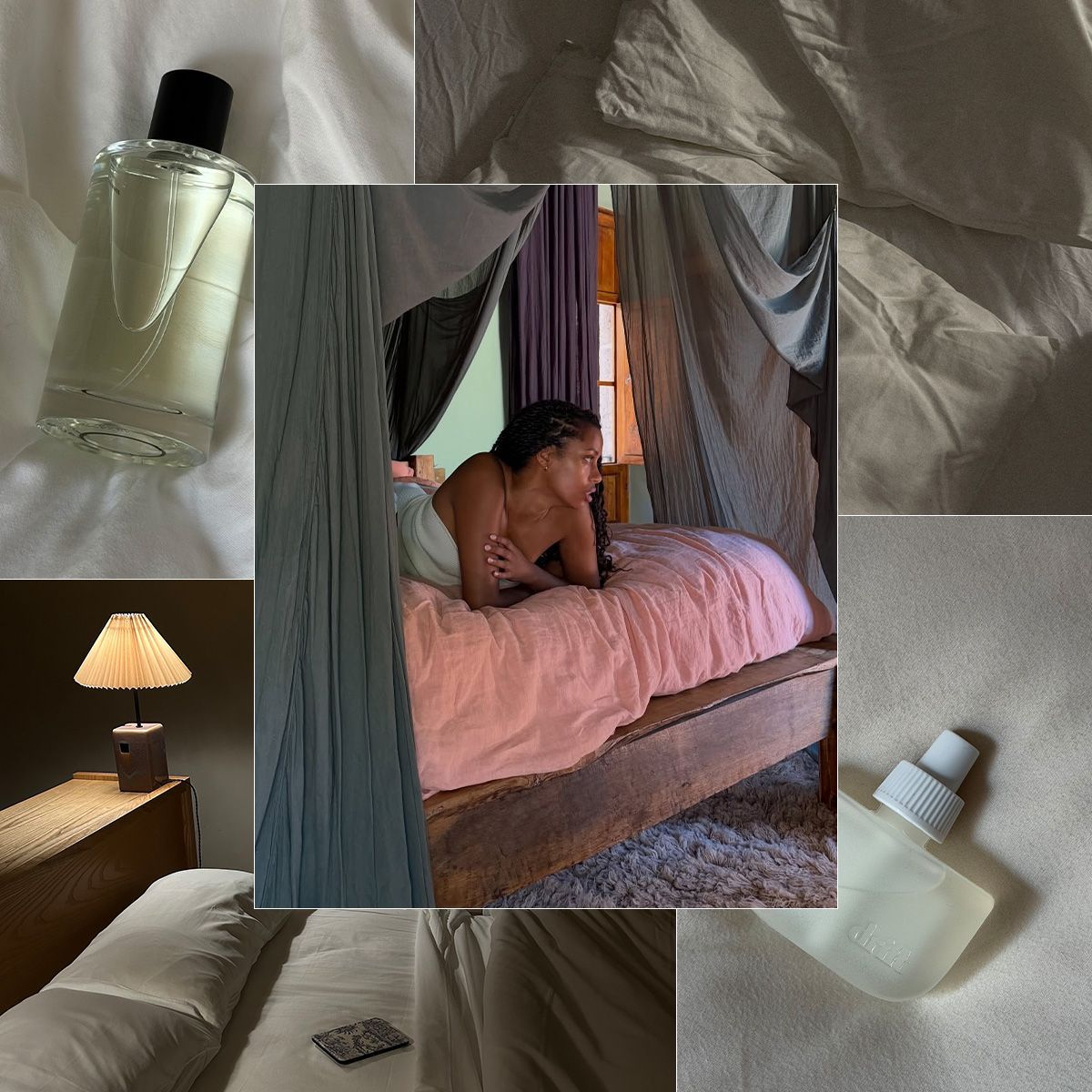
I spent years as a beauty editor, meaning my job often involved trying out and documenting everything from eye creams that blast away dark circles to serums that revive dull skin. Yet, while those potions gave me a temporary glow, I quickly learned that the real secret behind radiant complexion, boundless energy, and improved metabolism wasn’t found in a bottle—it was hidden in the quality of my sleep.
For ten years, I wrestled with anxiety, stress, and the constant inability to unplug, chasing an elusive eight hours of solid rest. Achieving deep, restorative sleep felt like a white whale. But just when I thought I had exhausted all options, I decided it was time to redefine my wind-down routine by incorporating a small fragrance experiment.
Aromatherapy is far from a new concept; its roots trace back to ancient practices in Egypt, China, and India. Today, modern technology has supercharged these ancient methods, turning simple body oils and electric diffusers into powerful tools for calming the mind, boosting serotonin, and improving sleep quality. In search of something genuinely soothing that wasn’t another melatonin pill, I discovered Drift’s Rest & Relax Home Scent Diffuser.
This neuroscience-backed fragrance was exactly the beauty step my nighttime routine had been missing. Forget just applying night creams; this was about creating an atmosphere conducive to deep rest. Infused with a soothing cocktail of lavender, chamomile, vanilla, and warm woods, the diffuser emits a gentle aroma that signals to the body it is time to relax.
Skeptical voices naturally arose: how could a scent make me feel sleepy? But when you look at the science, the answer is clear. Neurologists point out that smell is unique among our senses because it connects directly to the brain’s emotional and memory centers via an expressway no other sense has access to.
The research strongly supports this link. Sleep specialist Michael J. Breus, PhD explains that calming scents work through the olfactory system to influence brain pathways involved in relaxation. Specifically, lavender has been shown to improve sleep by interacting with GABAergic neurons, helping people fall asleep faster and achieve deeper rest.
I tracked my journey using an Oura Ring for 40 days while introducing this scent into my bedroom. Initially, the results were modest: a Sleep Score of 65/100, with only 37 minutes of deep sleep. But with consistent use, the transformation was remarkable. Within just two weeks, my Sleep Score skyrocketed to 87. My hours of sleep jumped past eight, and critically, my deep sleep advanced by nearly an hour.
The difference lay not just in the scent but in establishing a predictable ritual. Experts agree that a great wind-down routine is about giving the brain consistent signals that the day is over. This involves simple steps: starting work one hour earlier, reducing light exposure, keeping the bedroom cool, practicing a relaxing routine like reading or meditation, and finally, emptying your head of worries before hitting the pillow.
Ultimately, while consistency and healthy habits remain foundational, vaporizing calming aromas in your sacred space offers a tangible, science-backed benefit. Better sleep isn’t just about fewer nightmares; it’s about optimizing the very biological processes that allow us to feel our best.
Buy on Amazon
Credit
