Which Peptide is Right for Your Skin Unlock Skincare Secrets
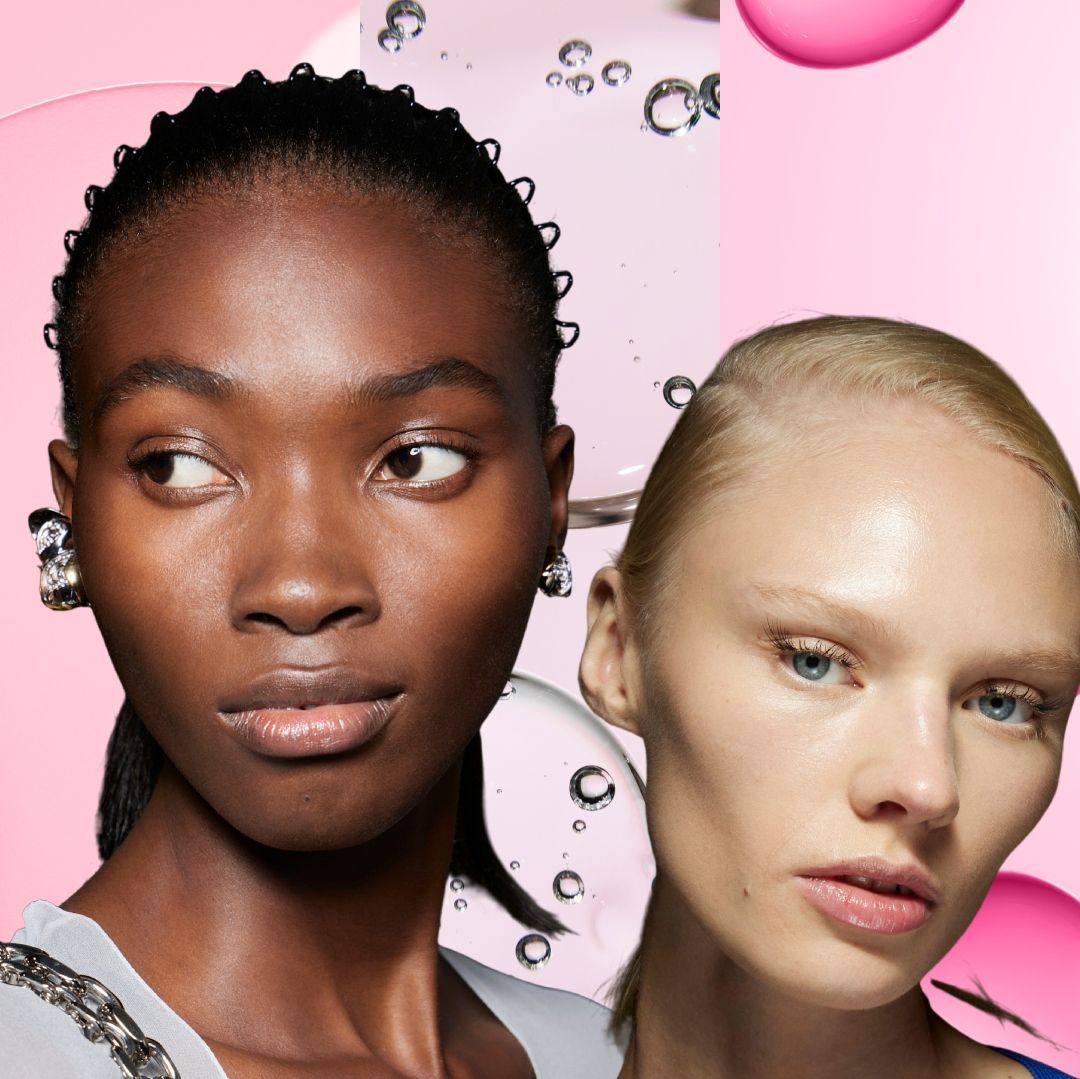
It’s an undeniable trend sweeping the beauty world: peptides. These short chains of amino acids, the very building blocks our skin uses to create collagen and elastin, have jumped from the realm of cosmetic chemistry insider speak to the must-have ingredient in every skincare routine. The sheer fascination is reflected in the data; searches for “peptides” and “what is a peptide” have surged by over 80 percent and 70 percent, respectively.
But what exactly are these microscopic marvels doing for our complex skin? The simple answer is that peptides aren’t a single ingredient; they are an entire family of molecules, each with a specialized job. They operate less like a single tool and more like a team of specialized messengers, guiding your skin’s cellular processes to achieve targeted results.
Whether you are seeking deeper hydration, a stronger skin barrier, or smoother lines, the magic depends entirely on which peptide is at work. Some peptides focus on boosting collagen production, others enhance moisture retention, and yet others specialize in soothing inflammation. This nuanced performance means that choosing the right formula is key to unlocking true skincare potential.
To understand their power, we must first look at their fundamental role. Peptides function as messengers, sinking into the skin to signal cells to accelerate processes like cell turnover, plumping, and glowing. Crucially, compared to other popular anti-aging actives like retinol or AHAs, peptides are renowned for being incredibly gentle and well-tolerated by even sensitive skin. They support your skin’s natural machinery rather than forcing harsh exfoliation.
Because these molecules are naturally present in our bodies, the most effective cosmetic peptides are engineered to be biomimetic—meaning they mimic those already found in our physiology. This allows them to communicate with skin cells instantly, ensuring that when you apply a serum, your skin responds immediately and intelligently.
The Peptide Playbook: Different Roles for Different Goals
Because the benefits are so diverse, peptides can be grouped into distinct families, each bringing a unique benefit to your routine:
Signal Peptides
These are the firming workhorses of the peptide world. Signal peptides tell the skin to ramp up production of collagen and elastin, acting as powerful agents for an anti-aging routine. Ingredients like Matrixyl and Decapeptide-4 are highly studied for their ability to smooth and firm the complexion across various skin types.
Carrier Peptides
When skin needs healing, carrier peptides step in. Copper peptides, for example, are celebrated for delivering essential trace minerals that actively support wound healing and collagen synthesis. They are particularly beneficial for compromised skin barriers, post-procedure care, and supporting mature skin.
Enzyme-Inhibiting Peptides
If your goal is to maintain existing firmness, enzyme-inhibiting peptides help you keep the collagen you already have. By slowing down the natural breakdown of collagen, these peptides help preserve your skin’s inherent structure and luminosity.
Neurotransmitter-Inhibiting Peptides
For those seeking a smoothing effect, this group is redefining wrinkle management. Ingredients such as argireline work by temporarily softening the muscle contractions that create expression lines, offering a sophisticated alternative to traditional neuromodulators.
While injectable peptides offer a swift, full-body impact, topical peptides provide a steady, skin-focused benefit that integrates seamlessly into daily life without downtime. Understanding the difference between these delivery methods—and knowing that not all peptides are created equal—empowers you to build a skincare strategy based on specific goals, ensuring your routine is streamlined and effective.
Buy on Amazon
Credit