Rogue Beauty Lab Steals Proprietary Ingredient
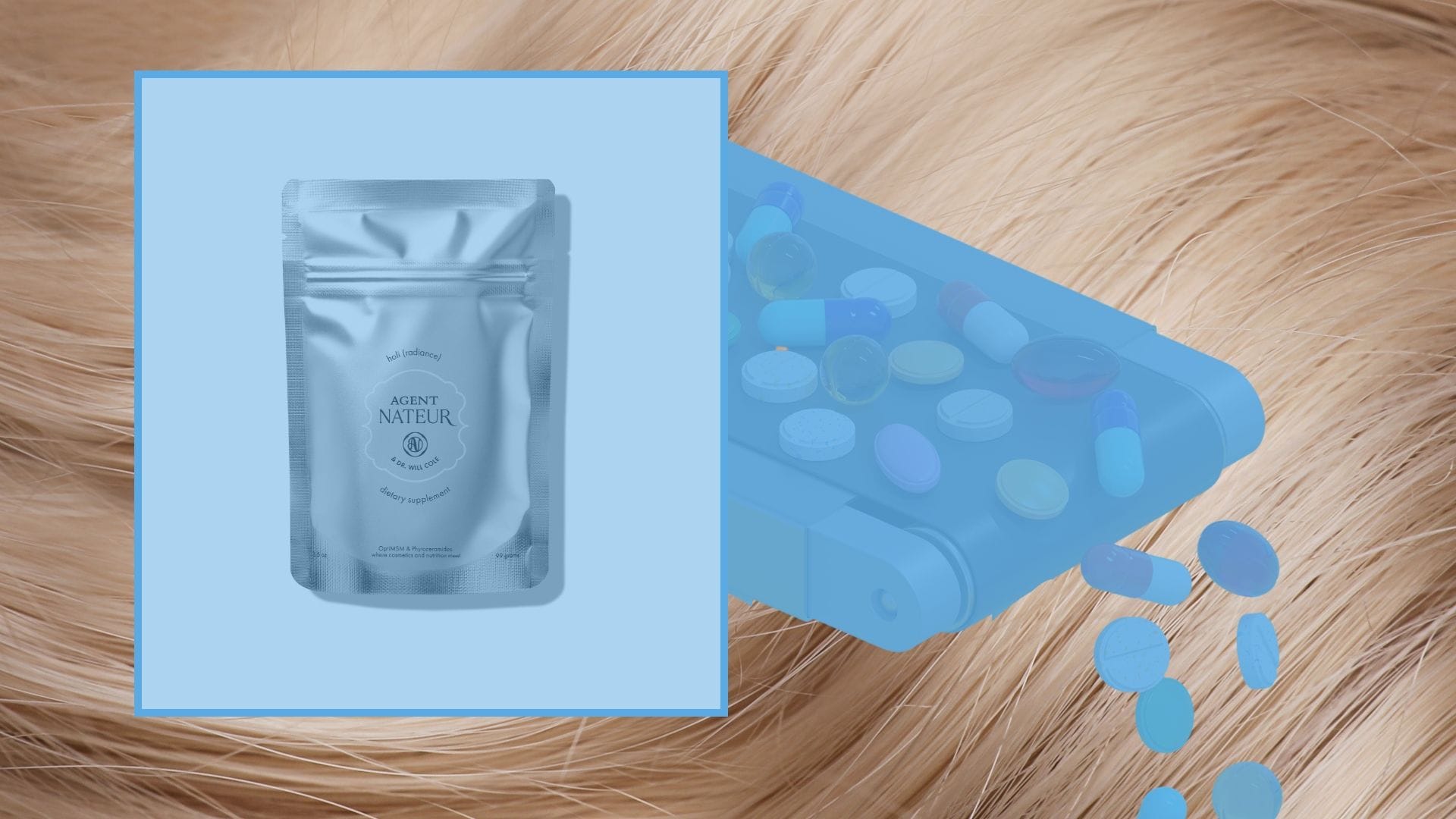
In the world of beauty and wellness, where innovation often takes center stage, sometimes the biggest lessons are learned not in the lab, but in the boardroom. The story of how a powerful ingredient can inadvertently become a mass-market sensation—and the critical lessons that follow—is a timely reminder that intellectual property is just as vital as the formula itself.
Jena Covello, founder of Agent Nateur, found herself at the epicenter of such a saga when she developed a proprietary formula featuring Ceramosides™, a patented wheat lipid known for its impressive hair growth properties. Covello began her journey with the compound in 2022, collaborating with Lief Labs to bring her holistic support for hair, skin, gut integrity, glutathione, and collagen into the market.
The collaboration, however, took a turn. As Covello was new to the supplement world, she did not secure a non-disclosure agreement with the lab. This oversight allowed Lief Labs to take the valuable ingredient, Ceramosides™, and promote it publicly at industry events, framing it as “French patented ceramides.” The ingredient, which Covello had painstakingly developed and trademarked under the name Ceramosides™, was suddenly being marketed to every major supplement supplier, leading to an ethical and legal reckoning.
Covello’s experience highlights a broader industry challenge: the gap between discovering a groundbreaking ingredient and protecting its ownership. She explained that while she intended to market the product with intrigue, she did not anticipate that other brands would quickly leverage her specialized discovery. Essentially, she brought the cake, but the manufacturer kept the recipe. This dynamic has become a new industry standard, where a manufacturer might now claim ownership over an ingredient simply because they conducted the research or facilitated the development, regardless of the original discoverer.
This situation underscores a crucial lesson for all brand owners: without stringent agreements, a manufacturer can take an ingredient developed by a smaller entity and position it as the industry norm. This shift means that true innovation is often overshadowed by creative marketing, and consumers are being lured by engaging campaigns rather than genuine novelty.
The consequence for the consumer is that while the market is flooded with supplements containing this powerful ingredient, the focus shifts from pure innovation to packaging, added benefits, and marketing hype. The lesson is clear: transparency and legal protections are essential to safeguard the hard work of independent innovators.
For brands like Agent Nateur, this experience serves as a powerful cautionary tale. By ensuring robust agreements and NDAs from the start, innovators can protect their intellectual property. As the market continues to evolve, the focus must remain on ensuring that the original vision and ownership of a product are respected, guaranteeing that the credit—and the reward—goes where it is due.
Buy on Amazon
Credit
