Reveal the Ultimate Tretinoin Skincare Routine
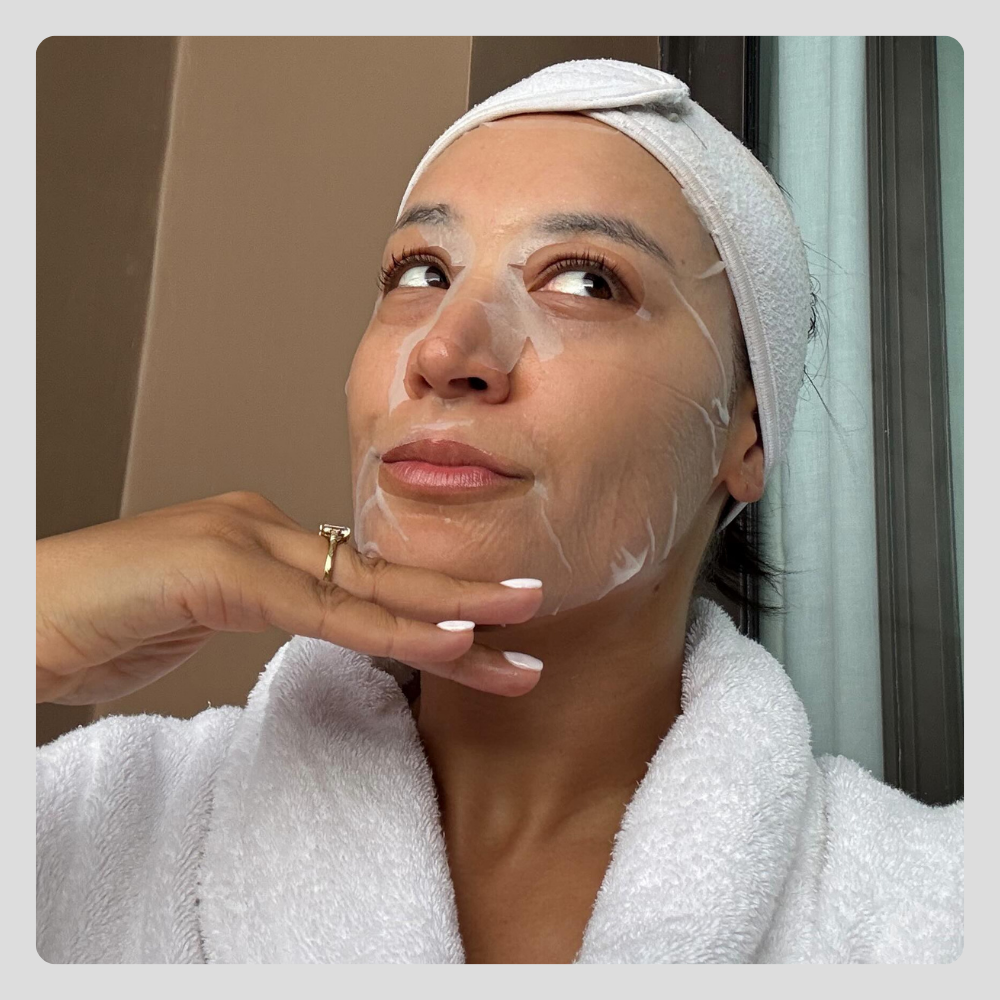
When it comes to unlocking smoother, more radiant skin, retinoids have firmly established themselves as the ultimate secret weapon in the skincare world. Whether you are hunting for a gentle introduction or a powerful transformation, understanding the nuances between the popular options—retinol and tretinoin—is key to achieving your best results.
While retinol is a beloved, over-the-counter starting point, some individuals find themselves seeking greater potency. This is where tretinoin steps in. Tretinoin is a prescription-strength derivative of vitamin A, working directly at the cellular level, which means it offers a different level of intensity compared to its retinol counterparts.
What sets the two apart is the potency. Tretinoin is pure retinoic acid, meaning it is already in its most active form. In contrast, retinol requires the skin to undergo a two-step conversion process before it can fully affect the cells, making it generally gentler for sensitive skin or beginners.
This difference in action dictates how you incorporate these powerful ingredients into your routine. For those dealing with stubborn acne, fine lines, uneven texture, or hyperpigmentation, retinoids offer powerful solutions. However, integrating them successfully requires a thoughtful, step-by-step approach.
To maximize efficacy and minimize irritation, a structured routine is essential. Start by cleansing gently, whether that means using an oil-based cleanser for makeup removal or a mild, hydrating face wash. If your skin feels dry or tight after cleansing, follow up with a hydrating serum, such as one containing hyaluronic acid, applied to damp skin.
Moisturizers are non-negotiable in a retinoid routine. Think of your moisturizer as the MVP, applied in a “sandwich” method—layering it before and after the retinoid to provide essential barrier support and reduce sensitivity. For those with oilier or more sebaceous skin, choosing hydrating formulas with ceramides and niacinamide can be particularly beneficial.
When applying the retinoid itself, apply a pea-sized amount to the entire face, carefully avoiding sensitive areas like the eyelids, corners of the nose, and mouth. Always prepare to follow up with moisturizer.
The most crucial element for long-term success is patience and careful progression. Starting slow is key; many experts recommend beginning with tretinoin two nights per week, gradually increasing frequency only as your skin demonstrates tolerance. Starting too aggressively often leads to irritation.
Be prepared for some temporary adjustments. During the initial adjustment period, some users may experience dryness, peeling, redness, or flaking. However, with proper strength selection and consistent use, these effects are manageable. Remember that the ideal retinoid is one you can tolerate and use consistently.
Finally, sun protection remains paramount. Because retinoids make your skin more sun-sensitive, applying a broad-spectrum sunscreen with SPF 50 or higher every morning is essential. Consider adding antioxidant-rich ingredients like vitamin C before your moisturizer and SPF to further protect your skin.
Buy on Amazon
Credit