PEMF Mats: Tested for 2 Months to Find Out the Wellness Obsession
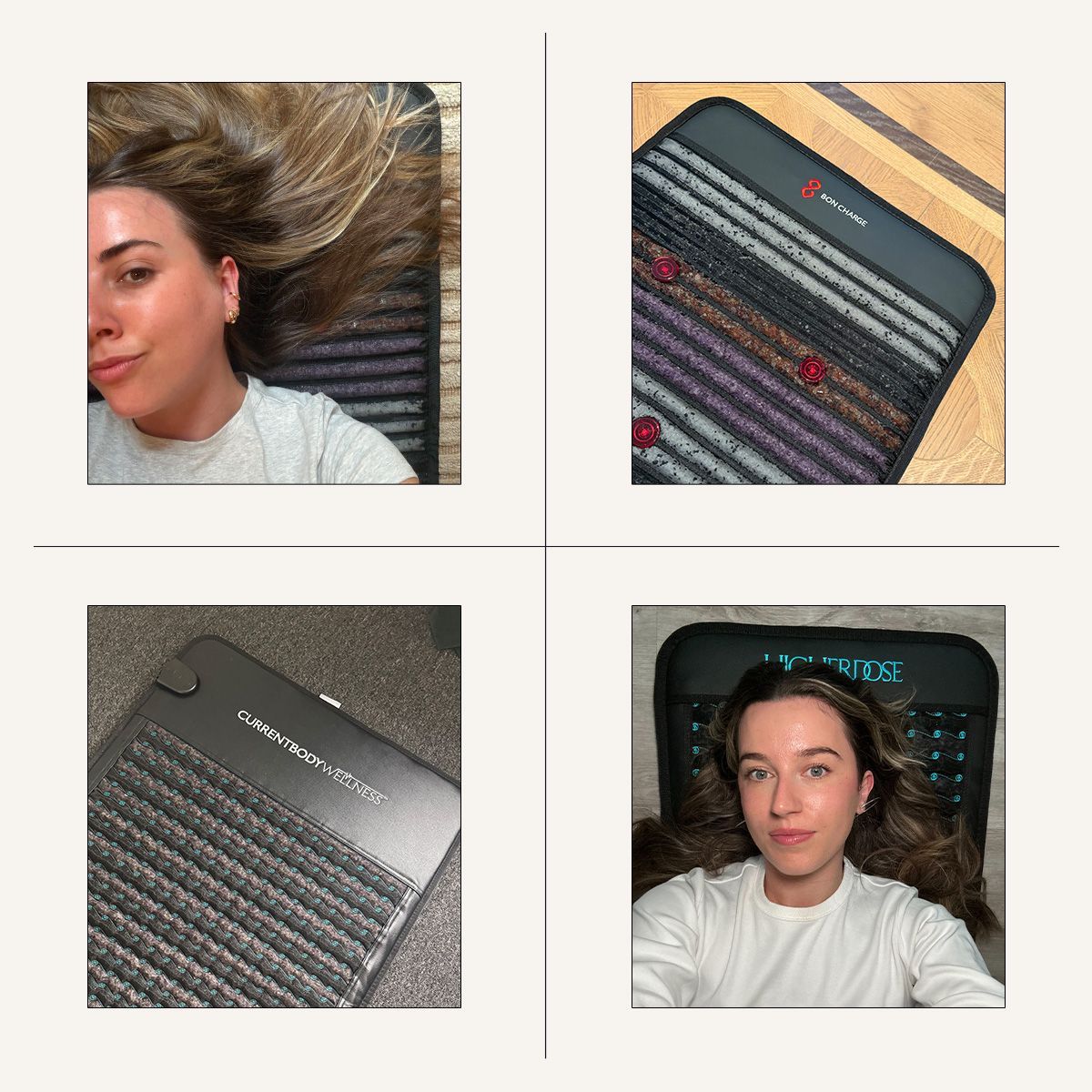
The wellness world is buzzing with new technologies promising deeper relaxation and recovery. Alongside the rise of LED light therapy, a fascinating new contender has entered the spotlight: Pulsed Electromagnetic Field (PEMF) mats. These devices, often marketed as luxurious tools for at-home recovery, are moving from niche clinics into high-end gyms and spa treatments, prompting a necessary investigation into what the science really tells us about electromagnetic healing.
What exactly is PEMF? Simply put, it involves generating electromagnetic fields in pulses. These shifting magnetic fields are designed to induce small electrical currents within the body’s tissues. This internal stimulation is believed to influence cellular signaling, potentially helping to manage pain, reduce inflammation, and encourage tissue repair. While electromagnetic stimulation has been used medically for decades, the current wellness trend focuses on incorporating lower-intensity PEMF technology into mats designed for home use.
The potential benefits of using PEMF are most promising in the realm of musculoskeletal health. Research suggests possibilities for easing pain and stiffness associated with conditions like osteoarthritis. However, it is crucial to temper expectations. While some users report feeling more relaxed or experiencing better sleep, claims that PEMF mats can dramatically boost metabolism, provide broad anti-ageing benefits, or act as a complete ‘detox’ are currently beyond the strength of scientific evidence.
The research landscape around PEMF is promising in specific areas, but it is far from definitive. Multiple studies have explored PEMF for pain and function, yet researchers point out inconsistencies. Studies often use vastly different devices, frequencies, and protocols, which makes drawing universal conclusions challenging. For instance, meta-analyses show some improvements in pain reduction, but the results are often modest and heterogeneous.
This variability brings us to the critical point for consumers: the difference between scientific promise and marketing hype. Home PEMF mats, priced at premium levels, can be highly varied in their magnetic field strength, pulse frequency, and waveform. Therefore, it is essential to look beyond vague claims like ‘cellular healing’ and instead demand transparency regarding the device’s specific parameters and proven protocols.
When evaluating these products, consider the overall picture. While some users find the combination of PEMF and infrared heat genuinely relaxing—great for unwinding before bed or post-workout—the true source of the perceived benefit might be the warmth and the ritual, rather than the electromagnetic fields alone. True therapeutic outcomes should be prioritized over subjective feelings of well-being.
Safety and due diligence remain paramount. Experts caution that anyone with implanted electronic medical devices, such as pacemakers or neurostimulators, must consult their physician and the manufacturer before using any PEMF mat, as electromagnetic fields carry potential interaction risks. Similarly, individuals with significant medical conditions, recent surgeries, or those undergoing cancer treatment should seek medical clearance before utilizing these devices.
Ultimately, a PEMF mat should be viewed as a complementary wellness tool, not a replacement for evidence-based medical care, physiotherapy, or conventional treatment for persistent pain. Consumers should be skeptical of sweeping claims and focus on products that offer clear, transparent information about their technology and safety standards.
For those looking to invest, the key lies in transparency. Look for manufacturers who clearly state their intensity, frequency range, and recommended protocols. Prioritize safety information, warranty details, and look for evidence specifically relating to the device itself, rather than relying solely on unproven wellness narratives.
Buy on Amazon
Credit