DIY Liposuction Trend Plastic Surgeons Are Not Amused
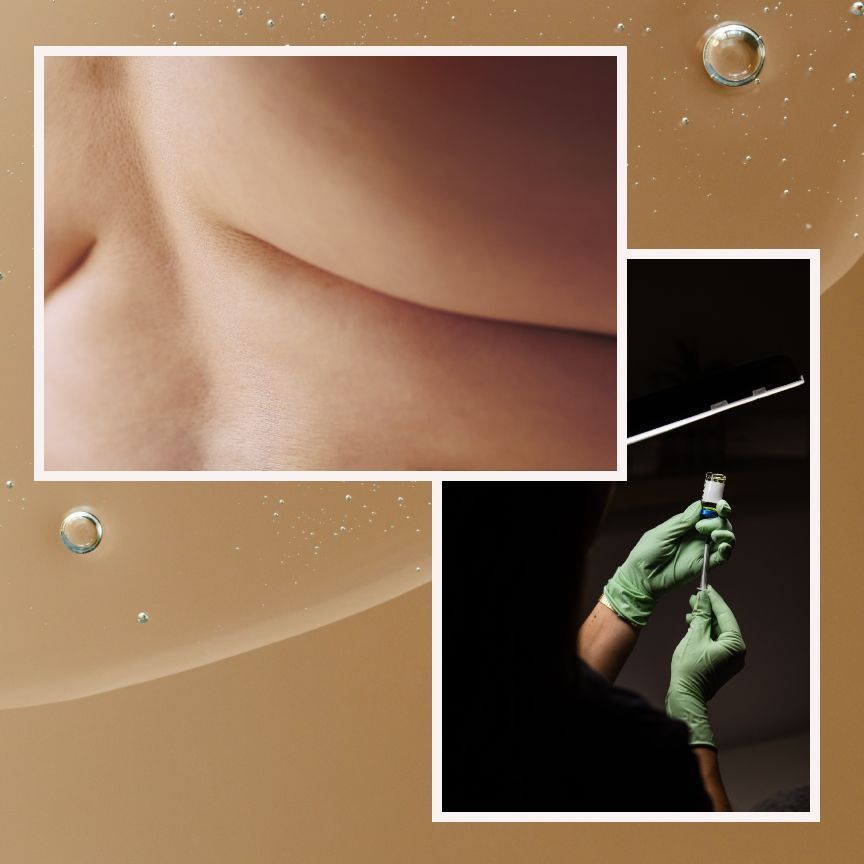
The pursuit of beauty often feels like a delightful weekend ritual—a soothing combination of pampering. Whether it’s the meticulous attention given to a Sunday night manicure with sheer pink polish, the invigorating duo of clay and sheet masks for glowing skin, or the daily grooming of eyebrows, many enjoy the accessible, self-care aspect of beauty. Yet, this same desire for quick, inexpensive cosmetic solutions is colliding head-on with alarming trends in the world of DIY aesthetic procedures.
Lately, there has been a noticeable flurry of interest in finding affordable alternatives to expensive in-office treatments, particularly concerning liposuction. Message boards and social media are increasingly filled with curious individuals seeking home methods, blurring the line between self-care and high-risk medical intervention. This curiosity is quickly running into a sobering reality: attempting cosmetic procedures at home is not just ineffective; it is profoundly dangerous.
Professional liposuction, when performed by a skilled, board-certified plastic surgeon, involves complex surgical planning and anesthesia, with costs ranging significantly from $5,000 to $25,000. This extensive cost reflects the specialized skill required to manage real medical risks. These risks include bruising, changes in skin sensation, infection, vein thrombosis, irregular contours, swelling, and thermal burns, according to the American Society of Plastic Surgeons.
This stark difference highlights why the trend of seeking “DIY liposuction” is so alarming. It transforms a legitimate medical procedure into a reckless gamble. While some circulating online products market themselves as fat-dissolving injections—like Dr. Lipo V, which is often vaguely compared to FDA-approved treatments such as Kybella for double chin reduction—their safety profile is vastly different. The risks associated with these unregulated substances are unknown, as they have not been studied in controlled environments.
Adam Kolker, a board-certified plastic surgeon, stresses the gravity of this situation: “Purchasing a mystery product from an unregulated source, injecting it into your own body with no training or understanding of biochemistry or anatomy, and expecting a safe, predictable outcome is reckless,” he warns. He points out that people often assume the worst outcome is that the treatment fails, overlooking the potential for catastrophic complications, including infection, permanent disfigurement, stroke, or even death.
The fascination with achieving a thinner physique, exacerbated by trends in weight loss drugs like GLP-1s, makes shortcuts feel appealing. However, using these shortcuts as a substitute for professional care is a dangerous misstep. As plastic surgeon Melissa Doft notes, while social media has made procedures seem accessible, it has made them seem unproblematic. She emphasizes that everyone wants to look better, but the necessary caution—considering risks and making smart choices—must be paramount.
Medical professionals are clear: attempting to save money on a cosmetic procedure is no excuse to risk one’s health. The knowledge required to perform surgery safely involves anatomy, sterile technique, complication management, and judgment that cannot be taught through social media tutorials. If you are considering weight loss or cosmetic body changes, prioritize your well-being. Make an appointment with a board-certified plastic surgeon. Your body should never be treated like a game of Operation when the cost of failure could be your life.
Buy on Amazon
Credit
