Azelaic Acid vs Niacinamide for Dark Spots
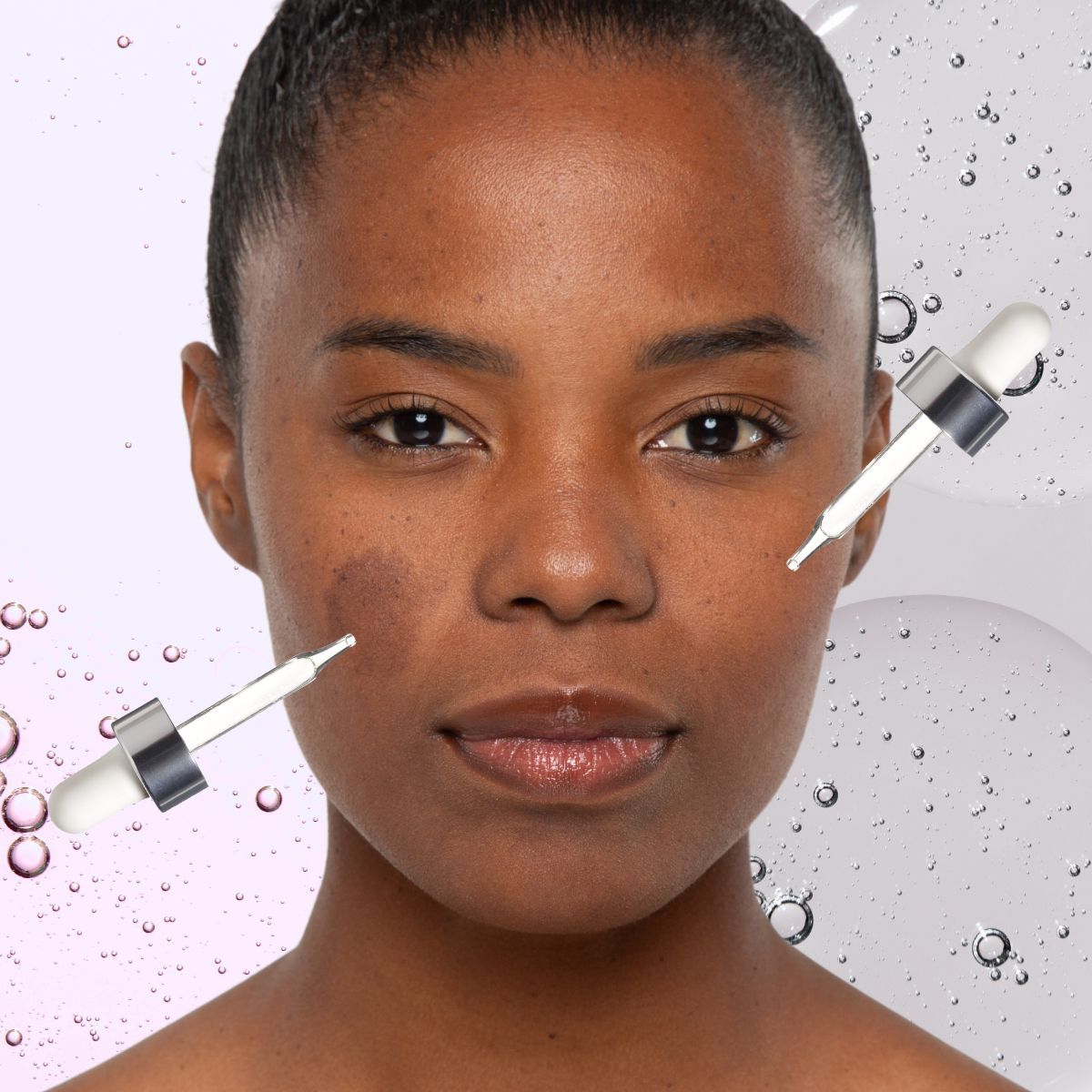
When it comes to fading those pesky dark spots and achieving a more even complexion, the skincare world is constantly throwing dazzling new ingredients at us. Two stars often pop up in this quest: azelaic acid and niacinamide. They are both incredibly popular, often featured in every social media feed, making the choice between them a truly delightful—and occasionally confusing—dilemma.
While both ingredients promise brighter skin, they don’t operate on the same track. As board-certified dermatologists point out, understanding their different mechanisms is the key to choosing the right tool for your unique concerns. It’s not just about which one promises the biggest glow; it’s about what kind of discoloration you are trying to tackle.
To understand the difference, we have to look at how our skin handles pigment. Simply put, excess melanin production—the pigment that gives us color—can be triggered by sun exposure, inflammation from breakouts, or hormonal shifts, leading to those visible dark spots. Azelaic acid and niacinamide target this pigmentation through distinct approaches.
Think of it like a factory process. Azelaic acid steps in early to slow down the production line itself by inhibiting the enzyme tyrosinase, which is critical for melanin creation. This makes it particularly effective when you are dealing with discoloration rooted in inflammation, such as marks left after a breakout or melasma.
Niacinamide, also known as vitamin B3, works a bit later. Once melanin has been produced by the pigment cells, niacinamide steps in to disrupt the shipping process. It helps stop those dark pigment packets from being transferred to surrounding skin cells, effectively reducing visible discoloration while simultaneously fortifying the skin barrier and calming inflammation.
This distinction means that depending on what’s causing your marks, one might be a better fit than the other. If you are focused heavily on addressing post-acne marks or managing melasma rooted in inflammation, azelaic acid offers a powerful, dual benefit. For achieving general tone evening and supporting sensitive skin while reinforcing the skin barrier, niacinamide is a wonderful, gentler choice.
The beauty of this duo is that they aren’t mutually exclusive. In fact, you can layer them! Many experts suggest applying niacinamide first to prepare and support the skin barrier, followed by azelaic acid. The order doesn’t critically affect their results, but your skin’s tolerance does matter.
Remember, fading pigment is a marathon, not a sprint. Expect consistent results over 4 to 8 weeks, with more meaningful changes often taking 8 to 12 weeks or longer. And no matter which ingredient you choose, the single most important step remains consistent daily sun protection—your daily SPF—as it is crucial for protecting your work.
Ultimately, the best skincare routine involves choosing ingredients based on what your skin needs right now, layering wisely, and maintaining patience. By understanding the science behind azelaic acid and niacinamide, you can confidently build a routine that supports true skin health and radiance.
Buy on Amazon
Credit
