6 Korean Fragrance Brands Proof K-Beauty Is Trending
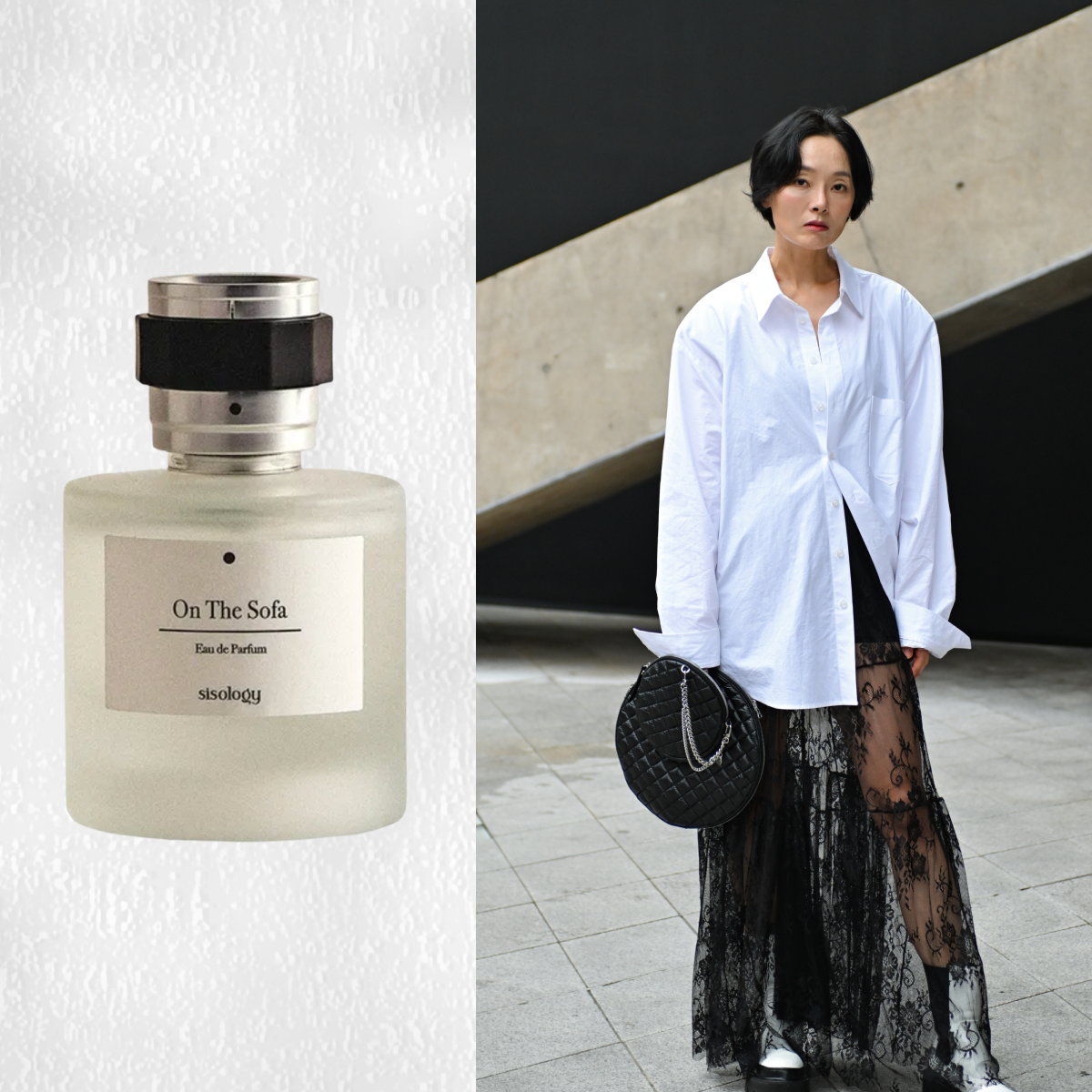
The K-Beauty wave has captivated the world, shifting beauty standards from the mid-2010s onward. This resurgence—fueled by everything from innovative skincare serums like PDRN to cutting-edge makeup trends—has extended beyond topical care and is now making a significant roar in the realm of fragrance. Simultaneously, a wave of Korean fragrance brands is catching the attention of Western markets, offering a unique sensibility that blends modern luxury with deep cultural history.
But what makes these scents so compelling? The answer lies not just in the ingredients, but in a profound shift in social etiquette. As one founder of a popular brand put it, Korean fragrance culture has historically been treated as personal grooming rather than public expression. For many generations, wearing noticeable perfume was associated with nightlife or seduction, leading to an instinct to smell clean rather than perfumed, avoiding the appearance of being too sensual or loud.
Today, this mindset is evolving. While there remains a desire for understated elegance, modern Korean fragrance design is embracing a philosophy centered on atmosphere and emotion. As co-founder of Elorea explains, the scent in Korea was long woven into everyday rituals—through incense, herbal medicine, and scented woods—aiming to create balance, well-being, and harmony. This tradition now informs contemporary perfumery, moving fragrance beyond mere decoration to become a powerful experience.
This cultural shift is reflected in the ingredients themselves. Korean perfumers are tapping into a rich heritage of natural materials that tell stories rooted in daily life. Instead of relying solely on traditional Western notes, they incorporate elements like perilla leaf, Korean pear, rice wine, and even aged soy sauce. This intentional selection ensures that every scent evokes a specific memory or emotion deeply rooted in the Korean experience.
The result is a fascinating world of olfactory artistry. Brands are finding success by delivering scents that are either effortlessly clean or intensely evocative. Some lean into light, linear compositions centered around soft musks and transparent woods, while others embrace richer, more complex ‘beast mode’ fragrances. This duality allows Korean brands to appeal to a wide spectrum of tastes.
Some of the standout creations define this new wave: Borntostandout’s Dirty Heaven Eau de Parfum offers an airy, musky floral blend featuring jasmine, vanilla, and white musk. It’s a viral favorite that balances sweetness with sophistication.
For those seeking a fresher approach, Elorea’s Haze Extrait Eau de Parfum captures the feeling of a perfect beach day, blending upcycled bergamot and cool ozone accords with salty sandalwood. It delivers an elevated, effortlessly chic scent that smells like sun-drenched coastal air.
Indie brands are also carving out unique niches. Nonfiction’s Iris Concrete Eau De Parfum exemplifies this trend, pairing the complex notes of iris concrete with galbanum and ambrette to create a minimalist yet deeply resonant scent. It proves that subtlety can carry incredible sillage.
Finally, for those who prefer solid perfumes, Longtake’s Solid Perfume – Sandalwood Scent offers an intuitive experience with gorgeous sandalwood notes, wrapped in simple packaging. This format provides a wonderful way to layer scents and extend the wear time of favorite fragrances.
Korean fragrance culture is no longer just about what you wear; it’s about how a scent shapes your entire experience. It’s a beautiful fusion of ancient wisdom and modern innovation, offering a fresh, unforgettable journey for anyone who dares to explore the world of K-fragrance.
Buy on Amazon
Credit